
Slot Volatility Explained: Why Your $100 Dies Fast or Lasts All Night
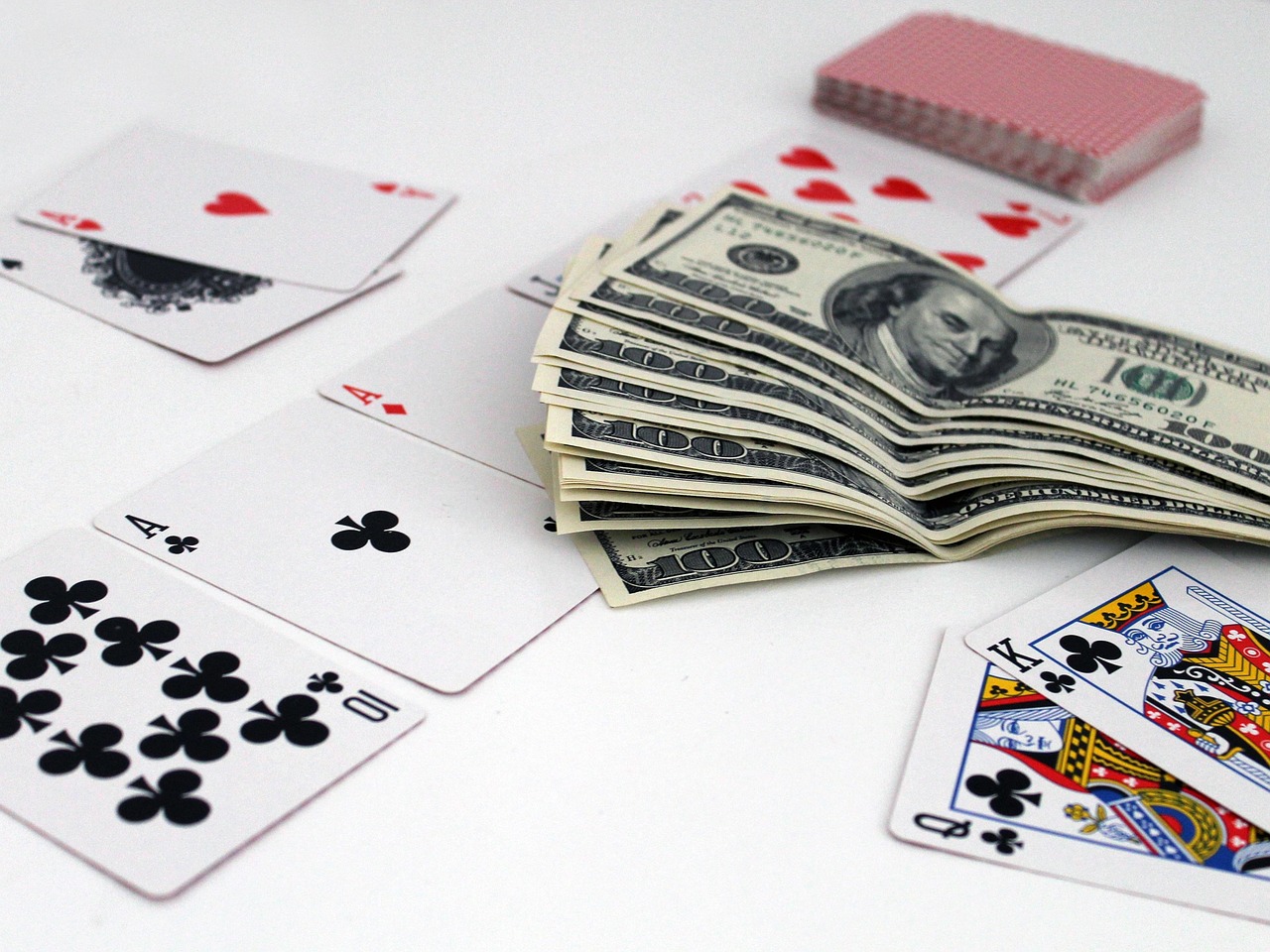
You sit down at two different $1 slots with the same $100 bankroll. One eats your balance in twelve minutes flat. The other keeps you spinning for three hours, teasing a jackpot the whole way. Same bet size, same bankroll, wildly different night. That gap isn't bad luck or a rigged machine — it's volatility, and understanding it is probably the single most useful piece of knowledge a casino player can carry through the doors.
What Volatility Actually Means
Every slot has a theoretical return to player (RTP), usually somewhere between 94% and 97% on modern online games. That number tells you what the machine pays back over millions of spins. It tells you nothing about how it pays back. Volatility is the shape of that payback curve. There is a useful overview at สล็อตเว็บตรง.
Low-volatility slots dribble out frequent small wins. You'll hit something every few spins — 2x, 5x, maybe 20x your bet — and your balance drifts gently downward. High-volatility slots are the opposite. Long dry spells, then a single spin that can pay 5,000x. Think of it like this: two people earn $52,000 a year. One gets $1,000 every week. The other gets nothing for 51 weeks and $52,000 on New Year's Eve. Same annual income, completely different life experience.
That distinction matters enormously at the machine, because your bankroll has to survive the dry spells to reach the big hits.
Reading the Signals Before You Spin
Game providers rarely print "HIGH VOLATILITY" on the cabinet, but they leave clues everywhere:
- Max win multipliers. A slot advertising a 50,000x maximum win is almost certainly high volatility. One capping out at 500x is usually low or medium.
- Paytable structure. If the base game pays tiny amounts and all the value sits in a bonus round, expect long gaps between features.
- Provider reputation. Pragmatic Play's Sweet Bonanza and Nolimit City's San Quentin are famously brutal. Novomatic's classic Book of Ra sits in the medium-high range. Pragmatic's Wolf Gold is a gentler ride.
- Hit frequency stats. Some casinos publish them. A game with a 45% hit frequency feels completely different from one at 18%.
A quick trick: load the game in demo mode and spin 200 times at minimum bet. You'll feel the rhythm within five minutes.
Matching Volatility to Your Bankroll
Here's where most players go wrong. They pick a game because the graphics look great, not because it fits their money.
The rough math: with a $100 bankroll on a $1 spin, you have 100 units. Low-volatility games typically let you play 300–500 spins on that budget with modest swings. High-volatility games might only give you 50–80 spins before busting — or they might triple your balance on spin 40. Neither outcome is more "fair" than the other. They're just different distributions.
Practical guidelines:
- Small bankroll, want table time? Low volatility. Think Starburst, Blood Suckers, most 3-reel classics. You'll rarely win big, but you'll rarely bust fast either.
- Decent bankroll, willing to gamble? Medium volatility. The sweet spot for most players — features hit often enough to keep hope alive, and 500x–1,000x wins are realistic.
- Chasing a jackpot or a story? High volatility. But treat the bankroll as already spent. If $200 vanishing in twenty minutes would ruin your night, you're on the wrong game.
One more thing: never chase losses on a high-volatility slot. The maths hasn't changed because you're down. That's how a $100 session becomes a $500 session becomes a very quiet drive home.
The Same Logic Applies Beyond Slots
Volatility isn't a slot-only concept, and recognising it elsewhere sharpens your instincts.
In poker, cash games are low volatility — steady grind, small edges, variance that smooths out over hundreds of hands. Multi-table tournaments are the high-volatility equivalent: you might not cash in ten straight events, then final-table one and profit for the month. Neither is better. They just suit different temperaments and bankroll sizes. A tournament player needs 50–100 buy-ins behind them; a cash player can operate on 20.
In sports betting, a -110 point spread bet is low volatility. A 12-leg parlay is the gambling equivalent of a max-win slot — tiny stake, lottery-ticket payout, near-certain loss. The bookmaker's margin is the same on both; only the variance differs.
Even in live casino games, the pattern holds. Baccarat's banker bet and roulette's even-money outside bets are the low-volatility options. Straight-up numbers and side bets are the high-volatility ones. The house edge roughly doubles on those long shots at many tables.
Common Mistakes That Cost Real Money
Three errors come up again and again:
- Judging a slot by one session. Volatility only reveals itself over thousands of spins. A high-volatility slot paying three bonuses in an hour is an outlier, not a trend.
- Assuming high volatility means better RTP. It doesn't. A 96% low-volatility slot and a 96% high-volatility slot return the same amount long-term. The high-volatility game just concentrates that return into rarer, bigger packets.
- Switching games mid-session to "reset" the luck. Games have no memory. Moving from a cold slot to a hot one changes nothing except your mental state — and usually not for the better.
Experienced players pick a game for a reason and stick with it for a defined session, whether that's 100 spins or 500. The discipline matters more than the choice.
The Long View
Volatility is the closest thing gambling has to a personality test. Patient grinders gravitate to low-variance games because the rhythm suits them. Thrill-seekers accept the brutal swings of high-volatility slots because the possibility of a 10,000x hit is worth the drought. Neither approach is objectively smarter. What's objectively smart is knowing which one you actually are, matching your bankroll to it, and not lying to yourself at 2 a.m. when the balance is half gone and the bonus round still hasn't landed.
Pick your variance deliberately, size your bets honestly, and the same $100 will feel a lot less like a coin toss.

4 Comments